
• 705-998-2017
  • vpm@visture.ca
Visture Property Group
  • Home
  • What We Do
    • For Property Owners
    • For Tenants
    • Virtual Staging
    • Coach Home (ADU) Construction
    • Coach Home Site Evaluation
    • Financial Services
  • Who We Are
  • FREE Resources
  • For Rent
  • Events
  • Blog
  • Contact
  • Menu Menu

Good News for Landlords: Ontario Bill 60 Brings Faster, Fairer LTB Processes

27 January, 2026

We have positive updates on the long-awaited changes coming to the Landlord and Tenant Board (LTB) in Ontario. The new legislation, known as Bill 60, is designed to cut down on delays, eliminate procedural games, and enforce greater efficiency in the application and hearing process. This shift rewards preparation and diligence, meaning better outcomes and quicker resolutions for our property owner clients.


Here are the key changes and how they benefit you:—–1. N4 Non-Payment Timelines are Accelerated


The most significant change for non-payment cases is the dramatic reduction in the time a tenant has to void an N4 notice.

  • The Change: The cure period for non-payment drops from 14 days to just 7 days. An L1 application can be filed immediately after day 7 if the rent remains unpaid.
  • Your Benefit: This change cuts your loss exposure in half. A faster, stricter timeline means arrears are addressed earlier, reducing the potential for lost income and speeding up the overall process.
  1. Fewer Delay Tactics with Arrears Thresholds


The new rules prevent tenants from using unrelated issues to delay the resolution of a non-payment case.

  • The Change: To introduce defenses or counterclaims that are separate from rent payment, tenants must have paid at least 50% of the rent arrears.
  • Your Benefit: Hearings will now be much more focused and efficient. If the 50% threshold isn’t met, the focus remains solely on the rent owed, eliminating common time-wasting tactics and leading to a quicker decision.
  1. Strict New Rules for Evidence and Disclosure

 

Ontario Bill 60 Landlord Fair LTB Process - 003

The LTB is adopting a more formal and professional approach to evidence submission.

  • The Change: All evidence must be submitted in advance of the hearing. Late or surprise documents can and likely will be refused, regardless of relevance.
  • Your Benefit: This reinforces the importance of our meticulous preparation. By enforcing strict deadlines, the system rewards organized and timely filings, ensuring your case is presented cleanly and on time, minimizing the risk of dismissal due to informal or last-minute submissions by the other party.
  1. Shorter Appeal and Review Windows


Orders will become final much faster, providing certainty and allowing for quicker action.

  • The Change: The window to appeal or request a review of an LTB order drops to 15 days.
  • Your Benefit: Orders finalize faster, allowing for faster enforcement of decisions, such as an eviction. This reduces the uncertainty and prolonged waiting periods property owners often experience after a hearing.
  1. New Ground for Persistent Late Payment


A new and powerful tool for managing tenants who consistently pay late is being authorized.

  • The Change: Bill 60 authorizes a defined “persistent late payment” eviction ground. While the specific regulations are pending, the mechanism is being established.
  • Your Benefit: This will provide a clear path to enforce against chronic late payers. Payment history, not just the current balance, becomes provable evidence, allowing us to manage tenants who disrupt cash flow even if they eventually pay.

—–The Bottom Line: Discipline Pays Off


The message from Bill 60 is clear: the new LTB system will not wait for those who are disorganized or attempt to use procedural games. It is a system that rewards discipline and punishes sloppiness.


Our commitment to you remains stronger than ever. These changes elevate the importance of having professional management that treats every file like the legal proceeding it is. By maintaining pristine records, enforcing internal cutoff times, and ensuring notices and evidence packages are clean and timely, we are positioned to use these updates to your advantage, securing faster, more decisive results for your portfolio.

 

https://www.visture.ca/wp-content/uploads/2026/01/Ontario-Bill-60-Landlord-Fair-LTB-Process-001.png 768 1360 Dominic https://www.visture.ca/wp-content/uploads/2021/09/logo-web.png Dominic2026-01-27 13:35:212026-01-27 13:35:21Good News for Landlords: Ontario Bill 60 Brings Faster, Fairer LTB Processes

Facade Improvement Grant Program: how Peterborough owners can upgrade, add value, and plan smarter

6 January, 2026

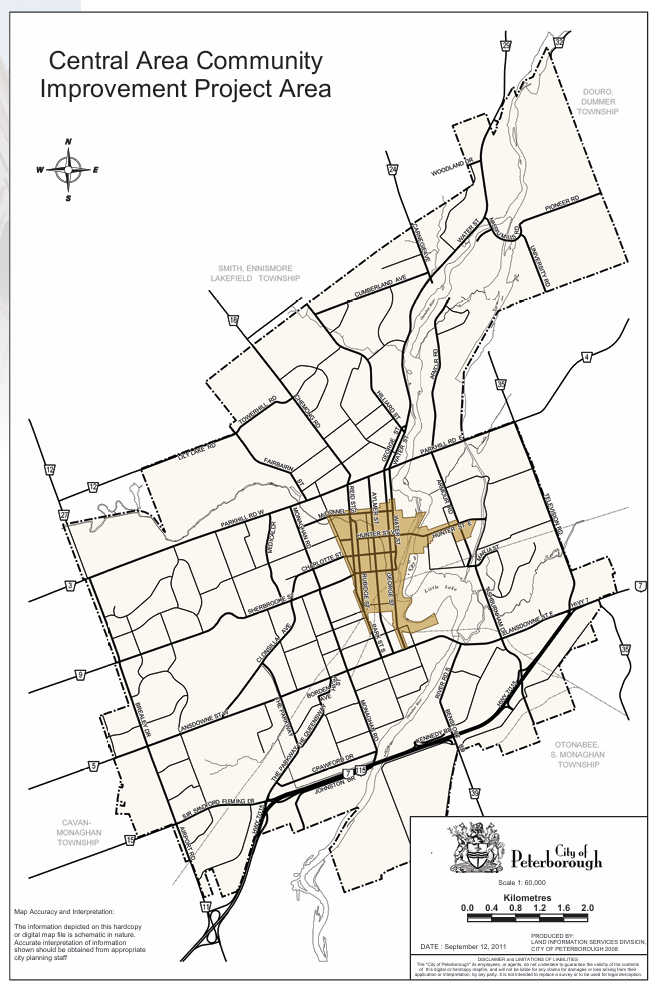
The Facade Improvement Grant Program gives Peterborough property owners a clear way to improve street-facing buildings while cutting real costs. If your property sits in the Central Area Community Improvement Project Area, the City will fund up to 50 percent of eligible facade work. That is real money back in your pocket for work you already know needs doing.

At Visture, we look at this program through one lens. How does a facade upgrade fit into a longer-term value plan, not a one-off cosmetic fix.

2026 Grant Facade Peterborough Home Improvement Grant - 001

What the program actually covers

This is not vague funding. The Facade Improvement Grant Program is specific.

Eligible work includes:

  • Brick, masonry, or wood repair and restoration
  • Improved or rebuilt commercial entrances
  • New or upgraded signage
  • New or improved awnings and canopies
  • Highly visible rear facades, if they face public space

The City covers:

  • 50 percent of eligible costs
  • Up to $15,000 per facade
  • Up to $30,000 for corner buildings or multi-address properties

No application fee. Approval must come before work starts.

Who should care about this grant

This program is not only for retail storefronts.

It applies to:

  • Mixed-use buildings
  • Small apartment buildings with ground-floor commercial
  • Older downtown properties with tired exteriors
  • Heritage buildings, with the right documentation

If your building already produces income, a facade upgrade improves:

  • Tenant quality
  • Rent stability
  • Resale value
  • Financing optics

That matters if you plan to hold long term or reposition later.

Visture’s take: do not treat this as “paint money”

Most owners make the same mistake. They treat facade grants as surface-level upgrades. Fresh paint. New sign. Done.

That leaves value on the table.

At Visture, we push owners to think in layers:

  • Does this facade upgrade support higher rents?
  • Does it improve commercial tenant demand?
  • Does it align with future conversions or additions?
  • Does it pair with interior or site improvements?

A better facade changes how a property is perceived. That perception directly affects income.

How this fits into a broader value plan

A facade upgrade is often step one, not the end.

We often see this sequence work best:

  1. Secure the Facade Improvement Grant Program funding
  2. Complete exterior upgrades that reset first impressions
  3. Improve tenant mix or lease terms
  4. Refinance or reposition the asset

For mixed-use and small multi-unit properties, that sequence can shift the entire performance of the building.

Timelines and process you should know

Key rules matter here:

  • You must meet with City staff before applying
  • You must apply and receive approval before starting work
  • Construction must be completed within one year
  • Funding is paid after work is finished and verified

Miss those steps and the grant disappears.

Heritage buildings: extra upside if done right

If your property falls under the Ontario Heritage Act, the program still applies. You will need:

  • Historic photos or drawings
  • Documentation that supports the restoration approach

Done properly, heritage facade upgrades often produce stronger tenant demand and higher long-term value than generic renovations.

Where Visture fits in

Visture does not just manage properties. We help owners make decisions that improve cash flow and long-term value.

When we look at a facade grant, we ask:

  • Does this improve operating income?
  • Does it support a future refinance?
  • Does it align with zoning and long-term use?

If the answer is no, we push back. Not every grant-funded upgrade is a good move.

Final thought

The Facade Improvement Grant Program is a solid tool. Used alone, it improves how a building looks. Used strategically, it improves how a building performs.

If you own property in Peterborough’s central area and want help deciding how a facade upgrade fits into a bigger plan, that is where Visture earns its keep.

Spend once. Plan forward.

https://www.visture.ca/wp-content/uploads/2026/01/Peterborough-Facade-Improvement-Grant-Improve-Your-Home-Facade-and-value-with-the-PTBO-Grant-to-update-your-home-001.png 1024 1024 Dominic https://www.visture.ca/wp-content/uploads/2021/09/logo-web.png Dominic2026-01-06 11:00:202026-01-06 11:00:20Facade Improvement Grant Program: how Peterborough owners can upgrade, add value, and plan smarter

New Ontario Fire Code Rules for Carbon Monoxide Alarms Take Effect January 1, 2026

4 January, 2026

Starting January 1, 2026, Ontario’s Fire Code expands the Ontario Carbon Monoxide Alarm requirement across the province. These changes apply to existing homes, rental properties, and multi-unit residential buildings, not just new construction.

The update focuses on one thing: earlier detection of carbon monoxide in places where people live and sleep.

Carbon monoxide is invisible and odourless. You cannot sense it without an alarm. Even low-level exposure can cause headaches, dizziness, nausea, confusion, and fatigue. Higher levels can be fatal. That risk is what the 2026 Fire Code update is designed to reduce.

If you own, rent, or manage property in Ontario, these rules apply to you.

What Triggers the Ontario Carbon Monoxide Alarm Requirement

Under the updated Fire Code, carbon monoxide alarms are mandatory in any residential property that contains:

  • A fuel-burning appliance, such as:
    • Gas or propane furnaces
    • Boilers
    • Gas or oil water heaters
    • Wood-burning stoves
  • A fireplace, regardless of fuel type
  • An attached garage, even if it is rarely used
  • Air supplied to the home from a fuel-burning appliance located outside the dwelling, such as certain outdoor heating systems

If any one of these conditions exists, the expanded alarm placement rules apply.

This matters for many Ontario homes, including:

  • Older houses with upgraded furnaces
  • Homes with newly added garages
  • Properties converted to rentals
  • Homes with finished basements

For property owners planning upgrades or conversions, this requirement should be considered alongside zoning and rental compliance.

Where Carbon Monoxide Alarms Must Be Installed

The biggest change in the 2026 update is placement.

Required Locations

Carbon monoxide alarms must now be installed:

  • Near sleeping areas
    • Typically in hallways outside bedrooms
    • Or at the entrance to sleeping spaces
  • On every storey of the home
    • Including basements
    • Including levels with no bedrooms

This is an expansion from earlier rules that focused mainly on sleeping areas.

Example

A two-storey home with:

  • A gas furnace
  • An attached garage

Will require:

  • A CO alarm near the bedroom area
  • A CO alarm on the main floor
  • A CO alarm in the basement

Even if the basement has no bedrooms.

Homes with finished basements or secondary suites are especially affected. 

Multi-Unit Buildings and Shared Spaces

New Ontario Fire Code - Carbon Monoxide Detector January 1st 2026 - 003

The Ontario Carbon Monoxide Alarm requirement also applies to apartment buildings, condos, lodges, and mixed-use residential properties.

Inside Individual Units

CO alarms are required in units that:

  • Contain fuel-burning appliances
  • Have fireplaces
  • Are located above, below, or beside:
    • Service rooms
    • Mechanical rooms
    • Attached garages

Common Areas

In some buildings, CO alarms are also required in:

  • Shared corridors
  • Areas heated by fuel-fired equipment

The exact placement depends on the building layout and mechanical systems. Building-wide planning is often needed to stay compliant.

This is especially relevant for landlords managing multiple units or older properties with centralized heating.

Legal Responsibilities: Owners, Landlords, and Tenants

Property Owners and Landlords

Under the Fire Code, landlords and property owners must:

  • Install required carbon monoxide alarms
  • Install alarms in the correct locations
  • Use alarms certified to Canadian safety standards
  • Maintain alarms in working condition
  • Test alarms at least annually
  • Replace batteries as required
  • Replace alarm units at the end of their service life
  • Provide tenants with alarm maintenance instructions

Failure to comply is a Fire Code offence and may result in inspections, orders, or fines.

For landlords, CO alarms are part of broader safety obligations that include smoke alarms, egress, and fire separation. 

Tenants

Tenants must:

  • Not disable or tamper with carbon monoxide alarms
  • Report any alarm issues to the landlord promptly

Tenants are not responsible for installing or replacing alarms unless specifically agreed to in writing, but they must cooperate with maintenance and testing.

New Ontario Fire Code - Carbon Monoxide Detector January 1st 2026 - 002

What Types of Carbon Monoxide Alarms Are Allowed

CO alarms may be:

  • Hard-wired with battery backup
  • Battery-operated
  • Plug-in units with battery backup

All alarms must meet recognized Canadian certification standards.

Installation Notes

  • Follow manufacturer instructions exactly
  • Avoid placing alarms directly beside fuel-burning appliances
  • Install at recommended heights and distances

Improper placement can lead to nuisance alarms or delayed detection.

Testing, Batteries, and Replacement

A carbon monoxide alarm is only useful if it works.

Ongoing Maintenance

  • Test alarms monthly using the test button
  • Replace batteries at least once per year
  • Replace the entire alarm unit:
    • Every 7 to 10 years, or
    • As specified by the manufacturer

Many newer alarms have sealed batteries and end-of-life alerts. These still require full unit replacement once expired.

For rental properties, documenting testing and replacement dates helps protect both occupants and owners. 

Why Ontario Expanded the Rules

Carbon monoxide incidents often occur due to:

  • Aging furnaces or water heaters
  • Blocked vents or flues
  • Improperly installed appliances
  • Vehicles running in attached garages
  • Portable fuel-burning devices used indoors

Because carbon monoxide gives no sensory warning, alarms are the only reliable safeguard.

Expanding alarms to every storey increases the chance of early detection, especially at night or in basements where CO can accumulate unnoticed.

Preparing your property:

Steps to Take Now

  • Walk through your home or property and note:
    • Fuel-burning appliances
    • Attached garages
    • Existing CO alarm locations
  • Add alarms to any missing storeys
  • Replace expired or outdated alarms
  • Schedule appliance inspections
  • Review tenant communication procedures

Early preparation avoids last-minute installations and reduces compliance risk.

For investors or homeowners planning renovations, these rules should be factored into project planning and budgets.  Readiness.

Key Takeaway

The Ontario Carbon Monoxide Alarm requirement becomes stricter on January 1, 2026. Homes and residential buildings with fuel-burning appliances, fireplaces, or attached garages must have carbon monoxide alarms:

  • Near sleeping areas
  • On every storey of the building

Landlords and property owners are responsible for installation and maintenance. Tenants must not disable alarms and must report problems.

These changes are about early warning, occupant safety, and preventing avoidable harm. Proper installation, regular testing, and timely replacement are what make the system work.

https://www.visture.ca/wp-content/uploads/2026/01/New-Ontario-Fire-Code-Carbon-Monoxide-Detector-January-1st-2026-001.png 832 1248 Dominic https://www.visture.ca/wp-content/uploads/2021/09/logo-web.png Dominic2026-01-04 16:47:392026-01-05 11:37:55New Ontario Fire Code Rules for Carbon Monoxide Alarms Take Effect January 1, 2026

Get Your FREE
Property Management
Short Course

Get Course Now
Search Search

Recent Posts

  • 6 ADU 1287 Cartier Kitchen
    Is an ADU Worth It in Peterborough? ROI, Payback, and the Numbers Homeowners Should Check30 June, 2026 - 9:00 am
  • Real detached two-bedroom coach home (ADU) built by Visture Property Group in a Peterborough backyard, shown at dusk with patio seating
    What Does It Cost to Build an ADU in Peterborough?25 June, 2026 - 2:47 pm
  • 8 ADU 1287 Cartier Living Room
    How Much Can an ADU Rent for in Peterborough?8 June, 2026 - 2:20 pm
  • Peterborough ADU Rules Explained: What Homeowners Can Actually Build in 2026
    Peterborough ADU Rules Explained: What Homeowners Can Actually Build in 202628 May, 2026 - 5:55 pm
  • PPP Before and After
    Beat Rising Renovation Costs with Priority Pricing9 May, 2026 - 3:11 pm
  • Peterborough ontario home
    No HST + Ontario Development Charges Cut 50%: What It Means for You30 March, 2026 - 2:25 pm
  • Convert Your Peterborough Home Into a Duplex or Triplex -Zoning Permits and more - 001
    How to Convert Your Peterborough Home Into a Duplex or Triplex: Zoning, Costs, and the Investment Case30 March, 2026 - 4:12 am
  • Building a Coach Home in Peterborough - A small ADU in a backyard of a home in Peterborough - 001
    Building a Coach Home in Peterborough: Costs, Permits, Timelines, and How to Turn Your Backyard Into $2,200+/Month16 March, 2026 - 10:00 am

Oshawa | Peterborough | Lindsay | Kawartha Area | Orillia | Barrie | Huntsville | Ontario

  • vpm@visture.ca
  • 705-998-2017
  • 552 Armour Rd. Peterborough ON Canada

Visture Awards

© 2025 Visture Property Group LLP | Privacy Policy

Scroll to top Scroll to top Scroll to top