 705-998-2017
 vpm@visture.ca




New Ontario Fire Code Rules for Carbon Monoxide Alarms Take Effect January 1, 2026
Starting January 1, 2026, Ontario’s Fire Code expands the Ontario Carbon Monoxide Alarm requirement across the province. These changes apply to existing homes, rental properties, and multi-unit residential buildings, not just new construction.
The update focuses on one thing: earlier detection of carbon monoxide in places where people live and sleep.
Carbon monoxide is invisible and odourless. You cannot sense it without an alarm. Even low-level exposure can cause headaches, dizziness, nausea, confusion, and fatigue. Higher levels can be fatal. That risk is what the 2026 Fire Code update is designed to reduce.
If you own, rent, or manage property in Ontario, these rules apply to you.
What Triggers the Ontario Carbon Monoxide Alarm Requirement
Under the updated Fire Code, carbon monoxide alarms are mandatory in any residential property that contains:
- A fuel-burning appliance, such as:
- Gas or propane furnaces
- Boilers
- Gas or oil water heaters
- Wood-burning stoves
- A fireplace, regardless of fuel type
- An attached garage, even if it is rarely used
- Air supplied to the home from a fuel-burning appliance located outside the dwelling, such as certain outdoor heating systems
If any one of these conditions exists, the expanded alarm placement rules apply.
This matters for many Ontario homes, including:
- Older houses with upgraded furnaces
- Homes with newly added garages
- Properties converted to rentals
- Homes with finished basements
For property owners planning upgrades or conversions, this requirement should be considered alongside zoning and rental compliance.
Where Carbon Monoxide Alarms Must Be Installed
The biggest change in the 2026 update is placement.
Required Locations
Carbon monoxide alarms must now be installed:
- Near sleeping areas
- Typically in hallways outside bedrooms
- Or at the entrance to sleeping spaces
- On every storey of the home
- Including basements
- Including levels with no bedrooms
This is an expansion from earlier rules that focused mainly on sleeping areas.
Example
A two-storey home with:
- A gas furnace
- An attached garage
Will require:
- A CO alarm near the bedroom area
- A CO alarm on the main floor
- A CO alarm in the basement
Even if the basement has no bedrooms.
Homes with finished basements or secondary suites are especially affected.
Multi-Unit Buildings and Shared Spaces
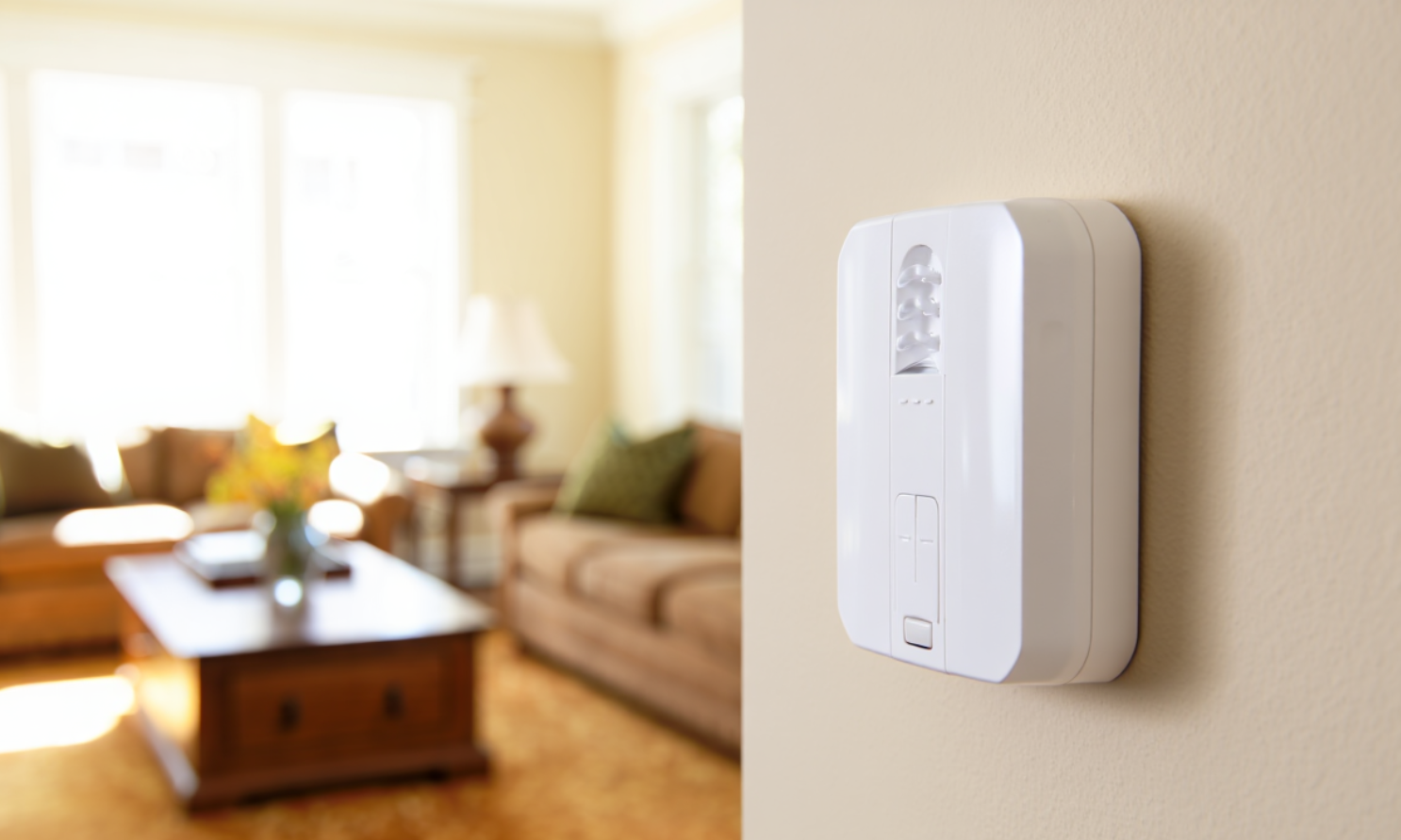
The Ontario Carbon Monoxide Alarm requirement also applies to apartment buildings, condos, lodges, and mixed-use residential properties.
Inside Individual Units
CO alarms are required in units that:
- Contain fuel-burning appliances
- Have fireplaces
- Are located above, below, or beside:
- Service rooms
- Mechanical rooms
- Attached garages
Common Areas
In some buildings, CO alarms are also required in:
- Shared corridors
- Areas heated by fuel-fired equipment
The exact placement depends on the building layout and mechanical systems. Building-wide planning is often needed to stay compliant.
This is especially relevant for landlords managing multiple units or older properties with centralized heating.
Legal Responsibilities: Owners, Landlords, and Tenants
Property Owners and Landlords
Under the Fire Code, landlords and property owners must:
- Install required carbon monoxide alarms
- Install alarms in the correct locations
- Use alarms certified to Canadian safety standards
- Maintain alarms in working condition
- Test alarms at least annually
- Replace batteries as required
- Replace alarm units at the end of their service life
- Provide tenants with alarm maintenance instructions
Failure to comply is a Fire Code offence and may result in inspections, orders, or fines.
For landlords, CO alarms are part of broader safety obligations that include smoke alarms, egress, and fire separation.
Tenants
Tenants must:
- Not disable or tamper with carbon monoxide alarms
- Report any alarm issues to the landlord promptly
Tenants are not responsible for installing or replacing alarms unless specifically agreed to in writing, but they must cooperate with maintenance and testing.

What Types of Carbon Monoxide Alarms Are Allowed
CO alarms may be:
- Hard-wired with battery backup
- Battery-operated
- Plug-in units with battery backup
All alarms must meet recognized Canadian certification standards.
Installation Notes
- Follow manufacturer instructions exactly
- Avoid placing alarms directly beside fuel-burning appliances
- Install at recommended heights and distances
Improper placement can lead to nuisance alarms or delayed detection.
Testing, Batteries, and Replacement
A carbon monoxide alarm is only useful if it works.
Ongoing Maintenance
- Test alarms monthly using the test button
- Replace batteries at least once per year
- Replace the entire alarm unit:
- Every 7 to 10 years, or
- As specified by the manufacturer
Many newer alarms have sealed batteries and end-of-life alerts. These still require full unit replacement once expired.
For rental properties, documenting testing and replacement dates helps protect both occupants and owners.
Why Ontario Expanded the Rules
Carbon monoxide incidents often occur due to:
- Aging furnaces or water heaters
- Blocked vents or flues
- Improperly installed appliances
- Vehicles running in attached garages
- Portable fuel-burning devices used indoors
Because carbon monoxide gives no sensory warning, alarms are the only reliable safeguard.
Expanding alarms to every storey increases the chance of early detection, especially at night or in basements where CO can accumulate unnoticed.
Preparing your property:
Steps to Take Now
- Walk through your home or property and note:
- Fuel-burning appliances
- Attached garages
- Existing CO alarm locations
- Add alarms to any missing storeys
- Replace expired or outdated alarms
- Schedule appliance inspections
- Review tenant communication procedures
Early preparation avoids last-minute installations and reduces compliance risk.
For investors or homeowners planning renovations, these rules should be factored into project planning and budgets. Readiness.
Key Takeaway
The Ontario Carbon Monoxide Alarm requirement becomes stricter on January 1, 2026. Homes and residential buildings with fuel-burning appliances, fireplaces, or attached garages must have carbon monoxide alarms:
- Near sleeping areas
- On every storey of the building
Landlords and property owners are responsible for installation and maintenance. Tenants must not disable alarms and must report problems.
These changes are about early warning, occupant safety, and preventing avoidable harm. Proper installation, regular testing, and timely replacement are what make the system work.
