 705-998-2017
 vpm@visture.ca




Is an ADU Worth It in Peterborough? ROI, Payback, and the Numbers Homeowners Should Check
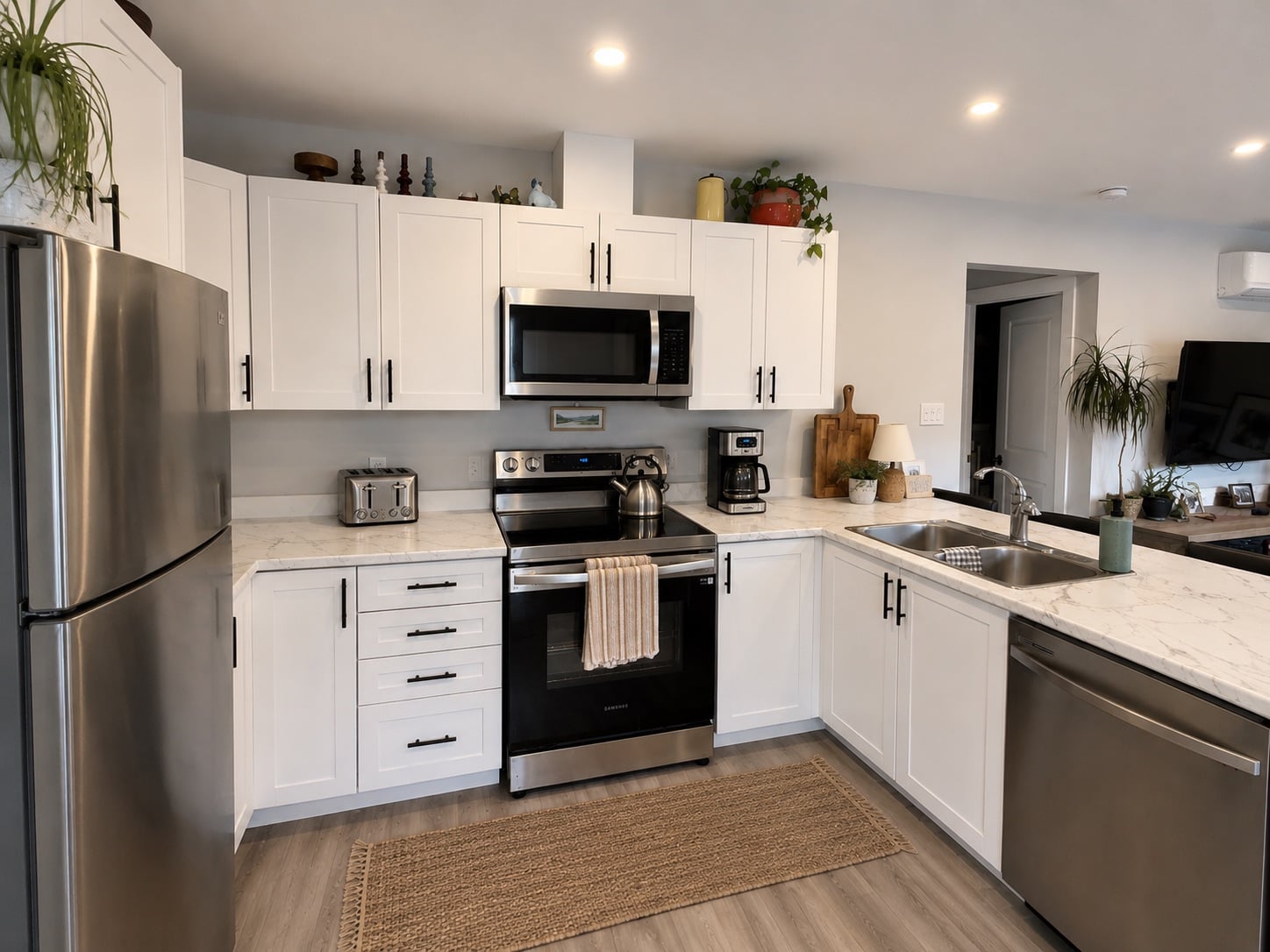
Many Peterborough homeowners are interested in adding an Accessory Dwelling Unit (ADU), but one question comes up more than any other:
Is it actually worth the investment?
The answer depends on your property, financing, construction costs, rental strategy, and long-term goals. For many homeowners, an ADU can create a new income stream, increase property value, and help offset mortgage costs. For others, the numbers may not work as well.
Before moving forward, it helps to understand how ADU returns are calculated and what expenses should be included.
Understanding ADU ROI
Return on investment (ROI) measures how much income your ADU generates compared to what it costs to build.
Many homeowners focus only on monthly rent, but that only tells part of the story.
A proper ADU investment analysis should consider:
- Construction costs
- Design and permit costs
- Financing expenses
- Property taxes
- Insurance
- Maintenance
- Vacancy periods
- Property management
- Long-term appreciation
When all of these factors are considered together, you get a much clearer picture of whether an ADU makes financial sense.
Revenue Assumptions: What Can an ADU Earn in Peterborough?
The first step is estimating rental income.
While every property differs, modern, legal ADUs in Peterborough commonly attract strong demand because rental inventory remains limited and many tenants prefer newer units over aging apartments.
Rental income depends on:
- Unit size
- Number of bedrooms
- Location
- Parking availability
- Finishes and amenities
- Utilities included
As a general example:
| Unit Type | Monthly Rent Range |
|---|---|
| Studio ADU | $1,500 – $1,800 |
| One-Bedroom ADU | $1,800 – $2,200 |
| Two-Bedroom ADU | $2,200 – $2,800+ |
A well-designed one-bedroom ADU renting for $2,000 per month generates:
$24,000 annually
A two-bedroom renting for $2,500 per month generates:
$30,000 annually
Over ten years, that income can exceed $240,000 to $300,000 before accounting for rent increases.
For a closer look at local rents, see our guide: How Much Can an ADU Rent for in Peterborough?
Expense Assumptions Homeowners Often Miss
One of the biggest mistakes homeowners make is assuming rent equals profit.
Every rental property has operating costs.
Common expenses include:
Property Taxes
Adding an ADU may increase your property’s assessed value, which can lead to higher property taxes.
The increase varies based on the size and value of the new unit.
Insurance
Your insurance provider will likely require updated coverage once the ADU is occupied.
Many homeowners see modest increases in annual premiums.
Utilities
Depending on the setup, you may be responsible for:
- Water
- Sewer
- Electricity
- Natural gas
- Garbage collection
Separate metering can help reduce ongoing operating costs.
Property Management
Many owners choose professional management to handle:
- Tenant screening
- Leasing
- Rent collection
- Maintenance coordination
- Compliance issues
Professional management reduces workload and often helps reduce costly tenant issues.
Vacancy Allowance Matters
No rental property remains occupied forever.
Tenants move.
Units require cleaning.
Repairs occasionally delay move-ins.
This is why investors use a vacancy allowance.
A common planning assumption is:
3% to 5% vacancy annually
For a unit earning $24,000 per year:
- 3% vacancy = $720
- 5% vacancy = $1,200
This helps create a more realistic income projection.
The good news is that vacancy rates in Peterborough have historically remained relatively low compared to many markets because rental demand continues to outpace available supply.
Maintenance and Turnover Costs
Every rental property experiences wear and tear.
Items that eventually need replacement include:
- Flooring
- Paint
- Appliances
- Fixtures
- Landscaping
- HVAC systems
Many experienced investors budget:
5% to 10% of annual rental income for maintenance reserves
For a unit generating $24,000 annually:
- 5% reserve = $1,200
- 10% reserve = $2,400
Turnover costs should also be expected between tenants.
These may include:
- Cleaning
- Painting
- Minor repairs
- Advertising
- Leasing services
Planning for these expenses prevents surprises later.
Financing Changes the Math
The way you fund an ADU significantly impacts returns.
Paying Cash
Homeowners who pay cash avoid interest costs.
Their return calculation focuses primarily on:
- Construction cost
- Rental income
- Operating expenses
Cash-funded projects often achieve faster payback periods.
Using a Home Equity Line of Credit
Many Peterborough homeowners use existing home equity to fund ADU construction.
This allows them to:
- Keep savings intact
- Spread costs over time
- Use rental income to offset borrowing costs
Refinancing
Some homeowners refinance their property and use the proceeds to build an ADU.
The trade-off is higher borrowing costs, but the rental income may cover a substantial portion of the new payment.
The best financing option depends on:
- Existing mortgage terms
- Available equity
- Interest rates
- Personal cash flow goals
Simple ADU Payback Examples
Let’s examine a simplified scenario.
Example 1
| Item | Amount |
|---|---|
| Construction Cost | $250,000 |
| Monthly Rent | $2,000 |
| Annual Revenue | $24,000 |
| Estimated Operating Expenses | $4,000 annually |
| Net Income | $20,000 annually |
| Simple Payback | $250,000 ÷ $20,000 = 12.5 years |
Example 2
| Item | Amount |
|---|---|
| Construction Cost | $300,000 |
| Monthly Rent | $2,500 |
| Annual Revenue | $30,000 |
| Estimated Operating Expenses | $5,000 annually |
| Net Income | $25,000 annually |
| Simple Payback | $300,000 ÷ $25,000 = 12 years |
These examples exclude appreciation, rent increases, and tax considerations.
In reality, many owners experience improved returns because rents generally increase over time while the ADU itself becomes part of a more valuable property.
For a breakdown of what drives the build budget, see: What Does It Cost to Build an ADU in Peterborough?
The Hidden Return: Property Value Growth
Rental income is only one side of the equation.
A legal ADU can also increase property value.
Future buyers often view ADUs as attractive because they offer:
- Mortgage support income
- Multi-generational living options
- Housing flexibility
- Investment potential
This additional value can significantly improve overall returns when the property is eventually sold.
When an ADU Makes Sense
An ADU often makes financial sense when:
- You have sufficient backyard space
- Zoning permits construction
- You plan to own the property long-term
- Local rental demand is strong
- You want additional retirement income
- You want help covering mortgage payments
- You want to increase overall property value
The longer you hold the property, the stronger the economics generally become.
Not sure what your lot allows? Start with the rules: Peterborough ADU Rules Explained.
When an ADU May Not Make Sense
An ADU is not always the right investment.
It may be less attractive when:
- You plan to sell soon
- Construction costs are unusually high
- Financing costs are excessive
- Your lot has major servicing challenges
- You are uncomfortable being a landlord
- Expected rental income is too low relative to project costs
This is why every project should begin with a detailed feasibility review rather than assumptions.
Why Professional Management Impacts ROI
Many homeowners underestimate how much management affects profitability.
Poor tenant selection, long vacancies, and delayed maintenance can quickly reduce returns.
Professional property management helps protect ROI through:
- Better tenant screening
- Faster leasing
- Rent collection systems
- Maintenance coordination
- Regulatory compliance
For many owners, professional management converts an ADU from a second job into a passive investment.
Final Thoughts
For many Peterborough homeowners, an ADU can create long-term rental income, improve property value, and provide a practical path toward financial flexibility.
The key is evaluating the full picture, not just the rent cheque.
Construction costs, financing, vacancy, maintenance, and long-term goals all influence whether an ADU is worth the investment.
When the numbers work, an ADU can become one of the strongest income-producing assets on your property.
Before building, it is worth reviewing your lot, expected construction costs, rental projections, and management strategy so you can understand the real return potential of your project.
All figures above are general planning examples, not guaranteed returns. Actual ADU ROI depends on your lot, construction costs, financing, rents, and operating expenses.

